De Vos, Binckhorst
The Hague, NL
Location: Binckhorst, The Hague, NL
Year: 2019
Site Footprint: 4.853 m2
FSI Netto: 5,36
Gross Floor Area: 26.500 m2
Parking: 3.900 m2
Total: 30.400 m2 (incl. underground parking)
Total Number of Apartments: 210
Ranging in sizes from 50 m2, 70 m2 & 80 m2
Program: Residential, work, light industry
Client: W Develop
Landscape: Starling Structure
Other Architects: Olaf Gipser Architects
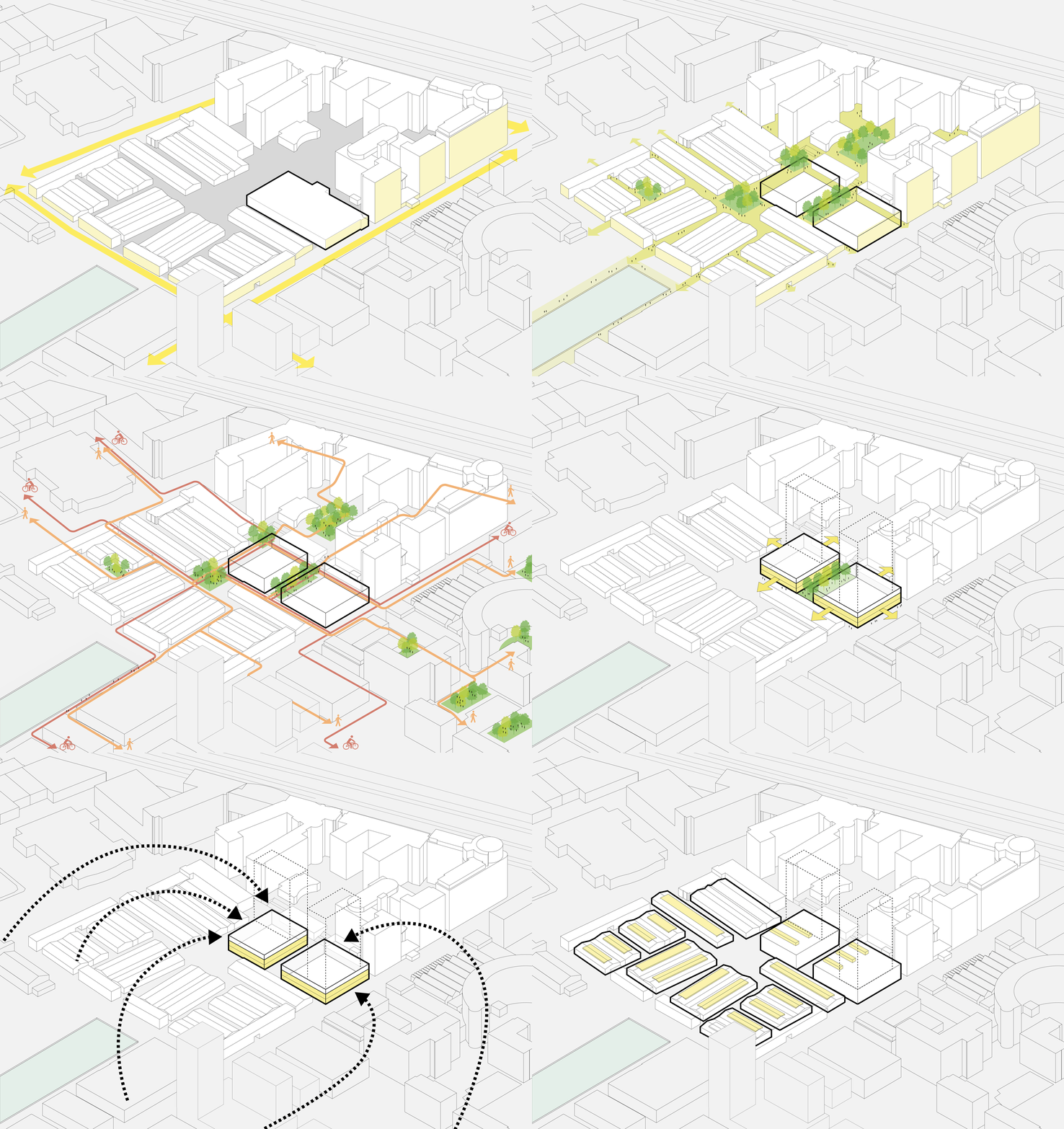
The Binckhorst is rapidly transforming into an intensively used mixed residential and working district, driven by its position as a city entrance with regional significance. The Hague’s ambition is to develop the area into a strong economic and residential environment, while also using it as a testing ground for sustainability and greening. At the same time, the municipality aims to maintain and strengthen the Binckhorst’s industrial atmosphere—prioritising a robust mix of living and working and creating public spaces that feel both tough and welcoming. In this context, De Vos occupies a strategic site currently used for low-rise light industry, yet with far greater potential. The assignment is therefore not simple densification, but a careful rebalancing of programmes: growth without erasing the working DNA that defines the districtOur location site, de Vos is currently occupied by a low level light industrial building. But the potential of the location is far higher.
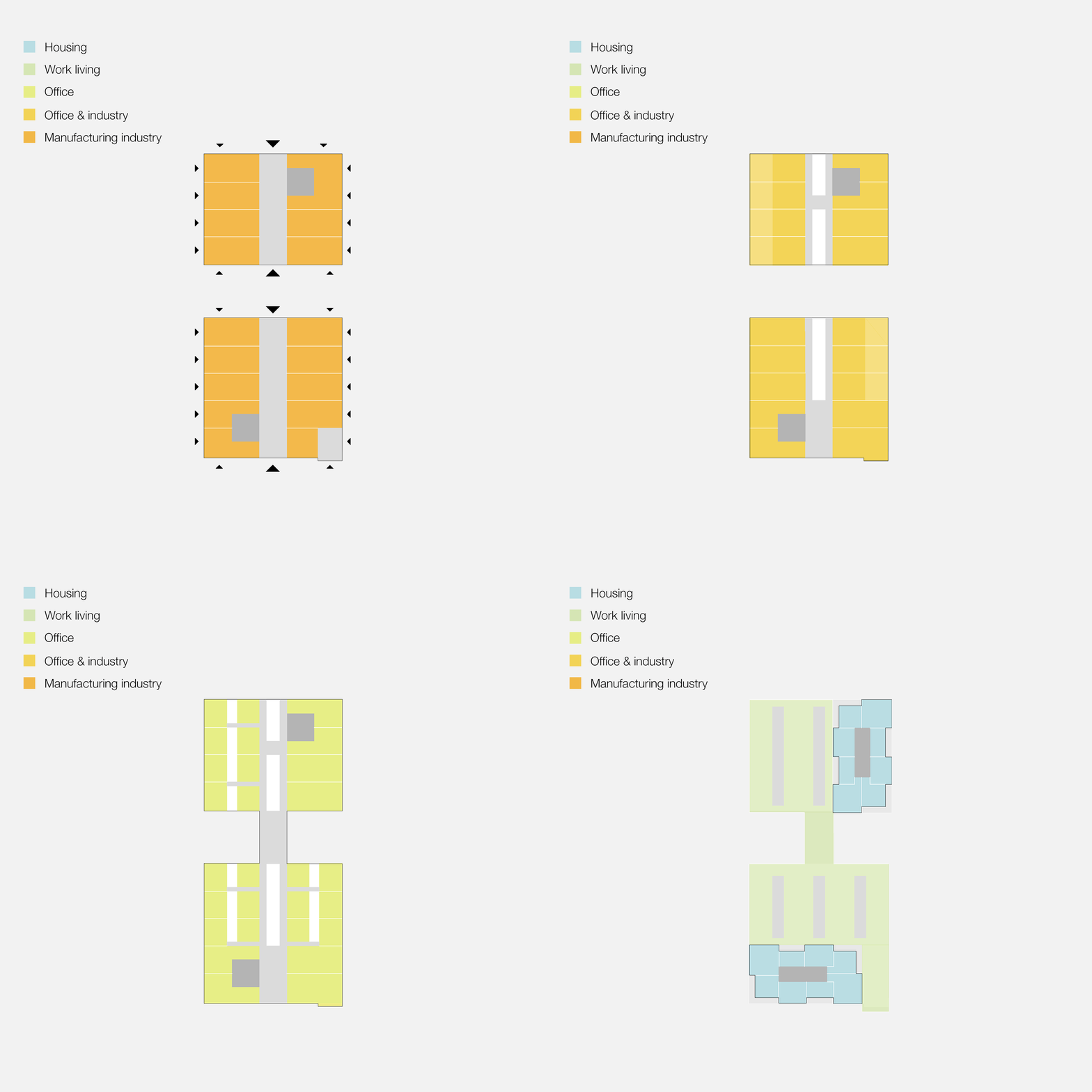
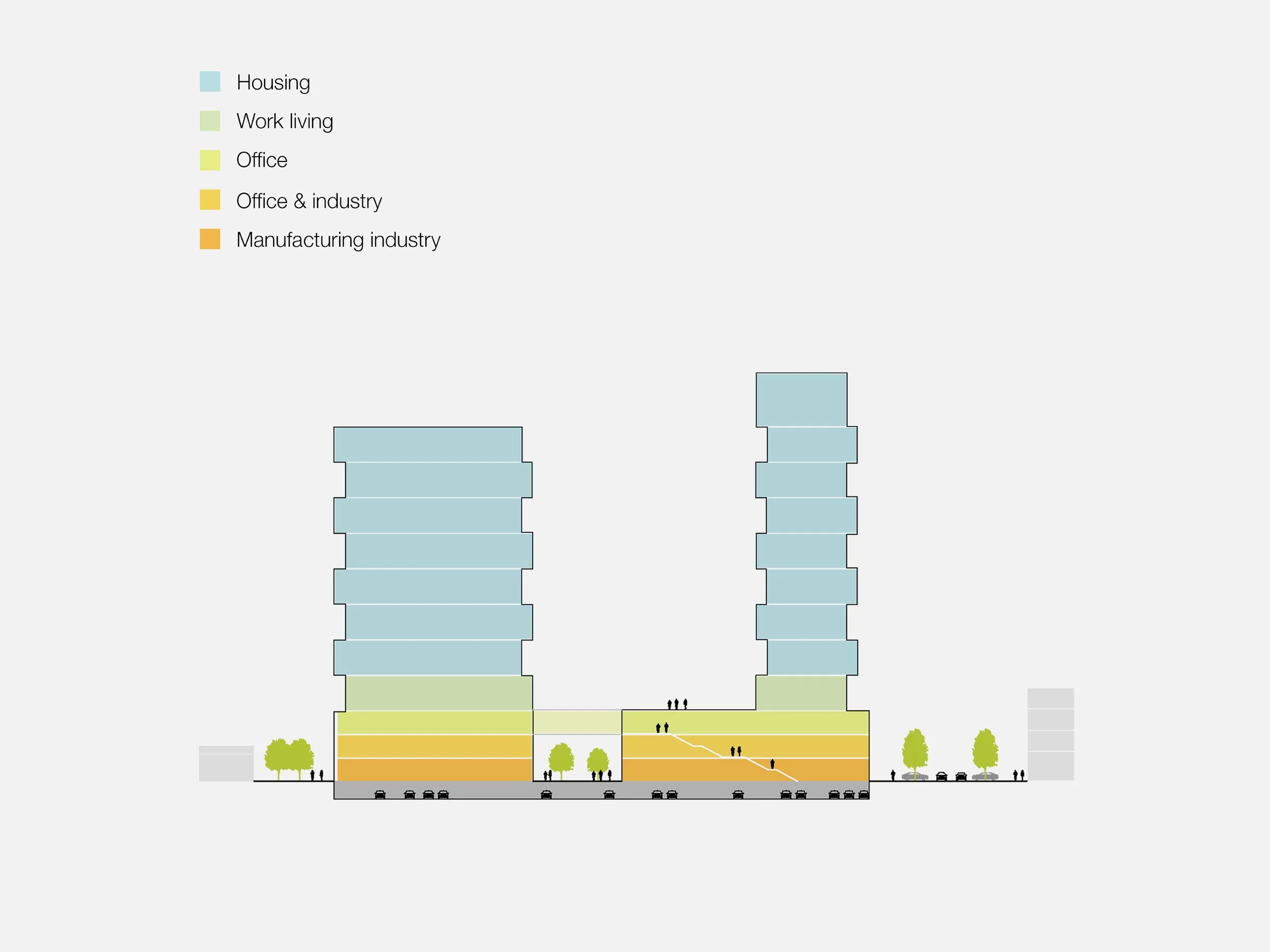
Our proposal for De Vos introduces a new balance in which work functions supporting ICT, creative and innovative start-ups and companies. The site sits on the boundary between two spatial and programmatic typologies, and the design responds by weaving a fine-grained network of outdoor spaces—pocket parks and connective routes—that activate the existing industrial structure and create an inviting public realm. A supergrid framework organises the building, allowing large duplex homes to be meaningfully stacked while remaining adaptable over time. Living spaces are oriented to key views and conditions—ports, city, sun, the A12 and the railway—while a flexible façade concept translates the industrial supergrid into an expressive and functional envelope. The programme is stacked in a gradual progression: productive plinths at street level transition into residential volumes above, creating a nuanced spatial strategy that supports both urban entrepreneurship and everyday living.