Education
House
Amsterdam, NL
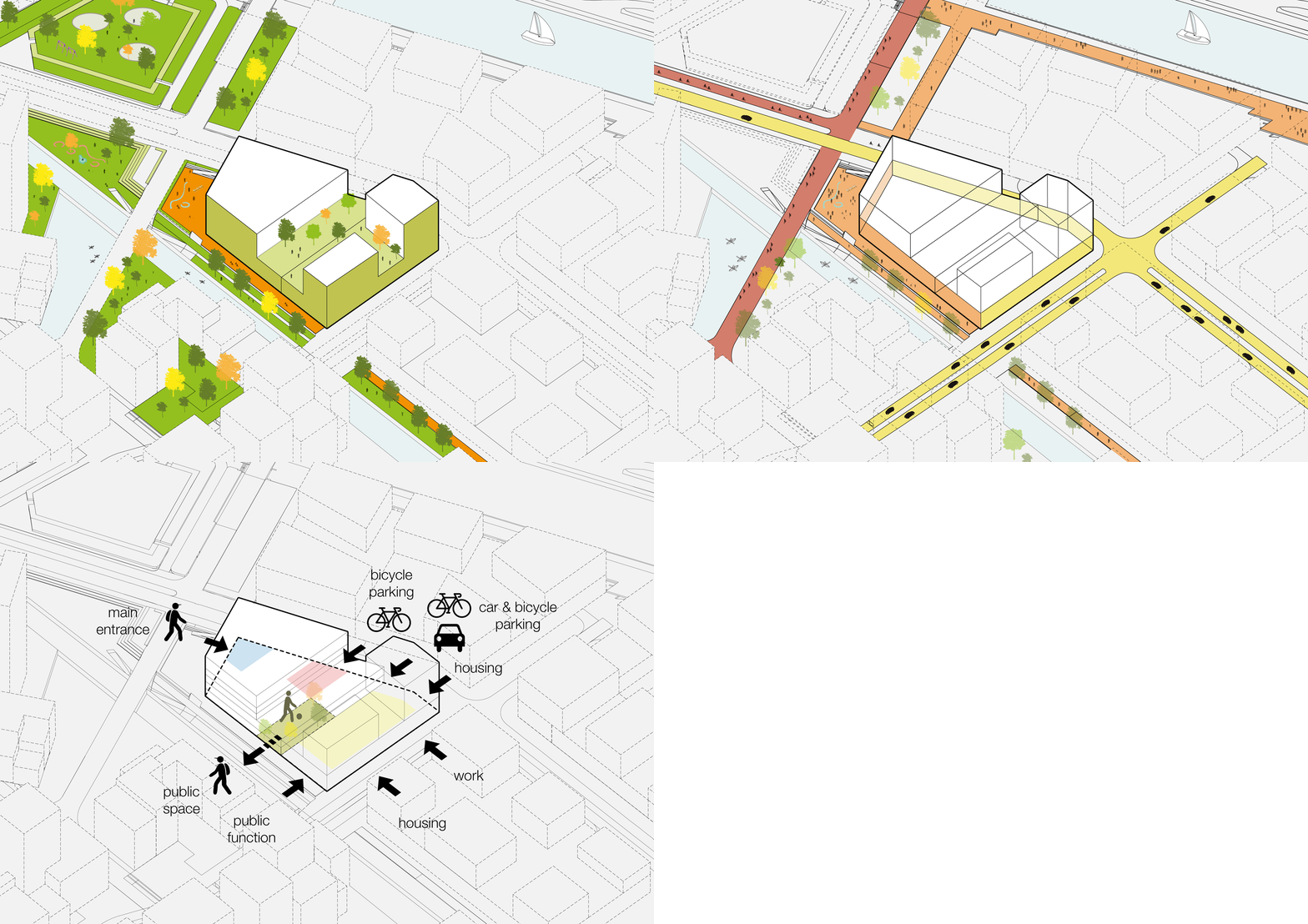
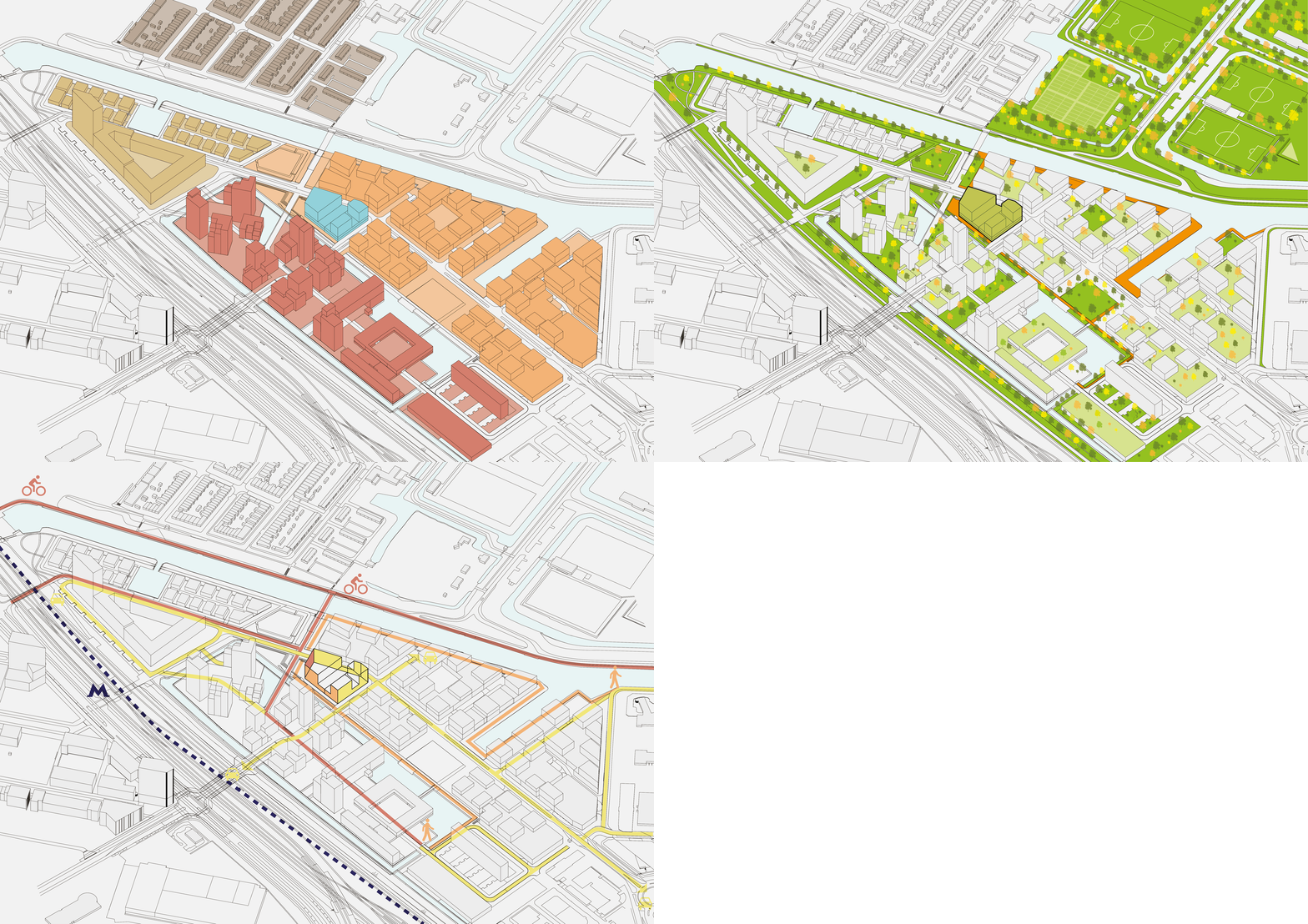
Our design vision for IKC Weespertrekvaart is an urban, dynamic building with a creative spirit, positioned at a central point within a fast-changing part of Amsterdam between Watergraafsmeer, the head of the Weespertrekvaart, Bajeskwartier and Weespertrekvaart Oost. The surrounding neighbourhoods form a diverse context, and the IKC is conceived as one of eight key building blocks that together shape the identity of the area. The urban plan is organised through building fields and blocks: each plot differs in function, scale and position, yet contributes to a coherent and recognisable neighbourhood image. Within this framework, the IKC must be both a civic landmark and an everyday piece of city fabric—robust, legible and welcoming—while supporting new patterns of learning, movement and shared use in a compact urban environment. The site’s dynamic setting calls for an integral approach within the wider block.
Location: Weespertrekvaart, Amsterdam, NL
Year: 2019 - ongoing
Site Footprint: 1.635 m2
FSI Netto: 2.4
Gross Floor Area: 3.900 m2
Program: Public, Educational, Sport
Client: STAIJ
Sustainability & Fire: Cauberg Huygen
Construction: Berkhout Tros
Installations: Sijperda-Hardy
Management: Kieft Bouwmanagement
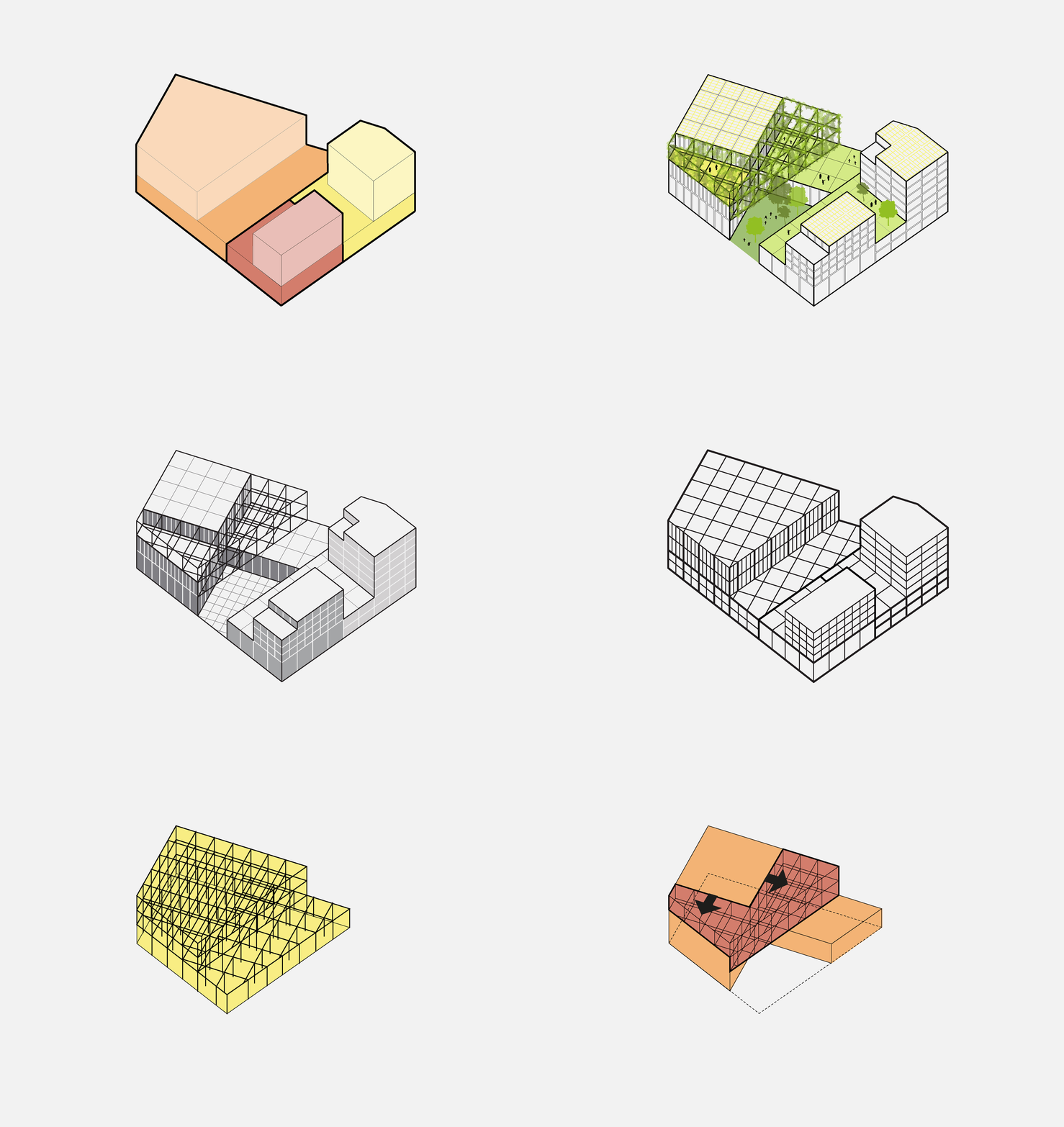
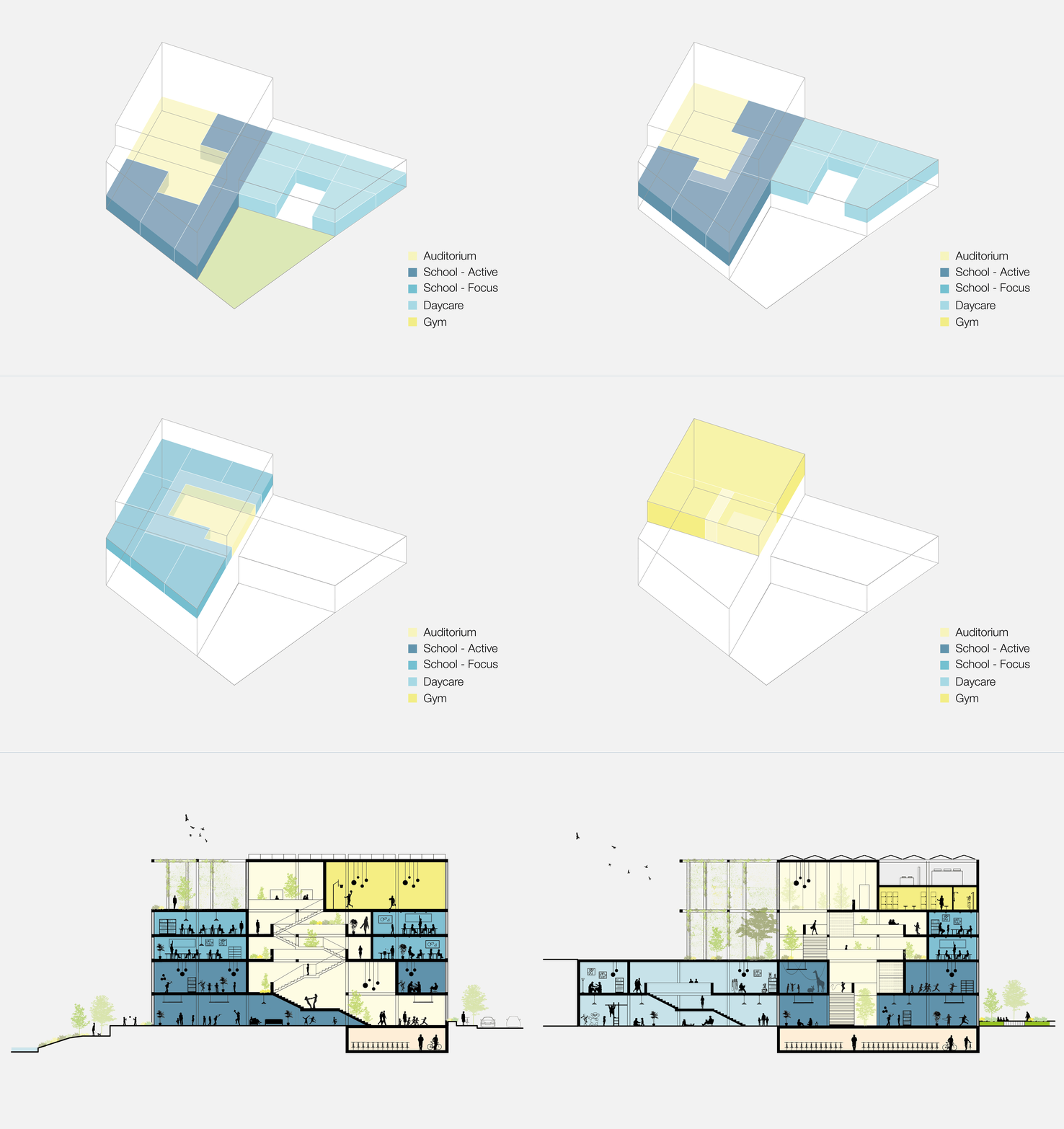
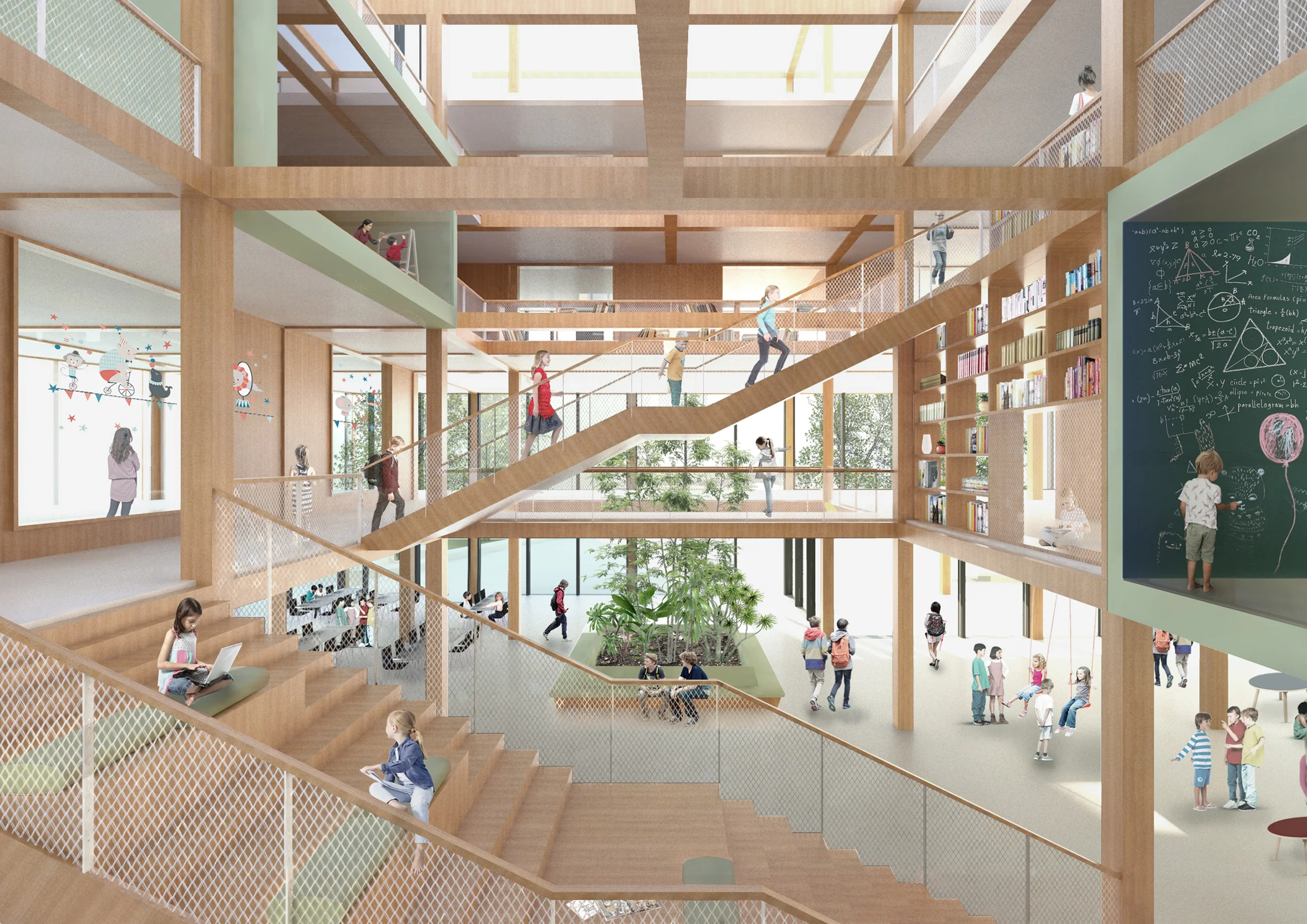
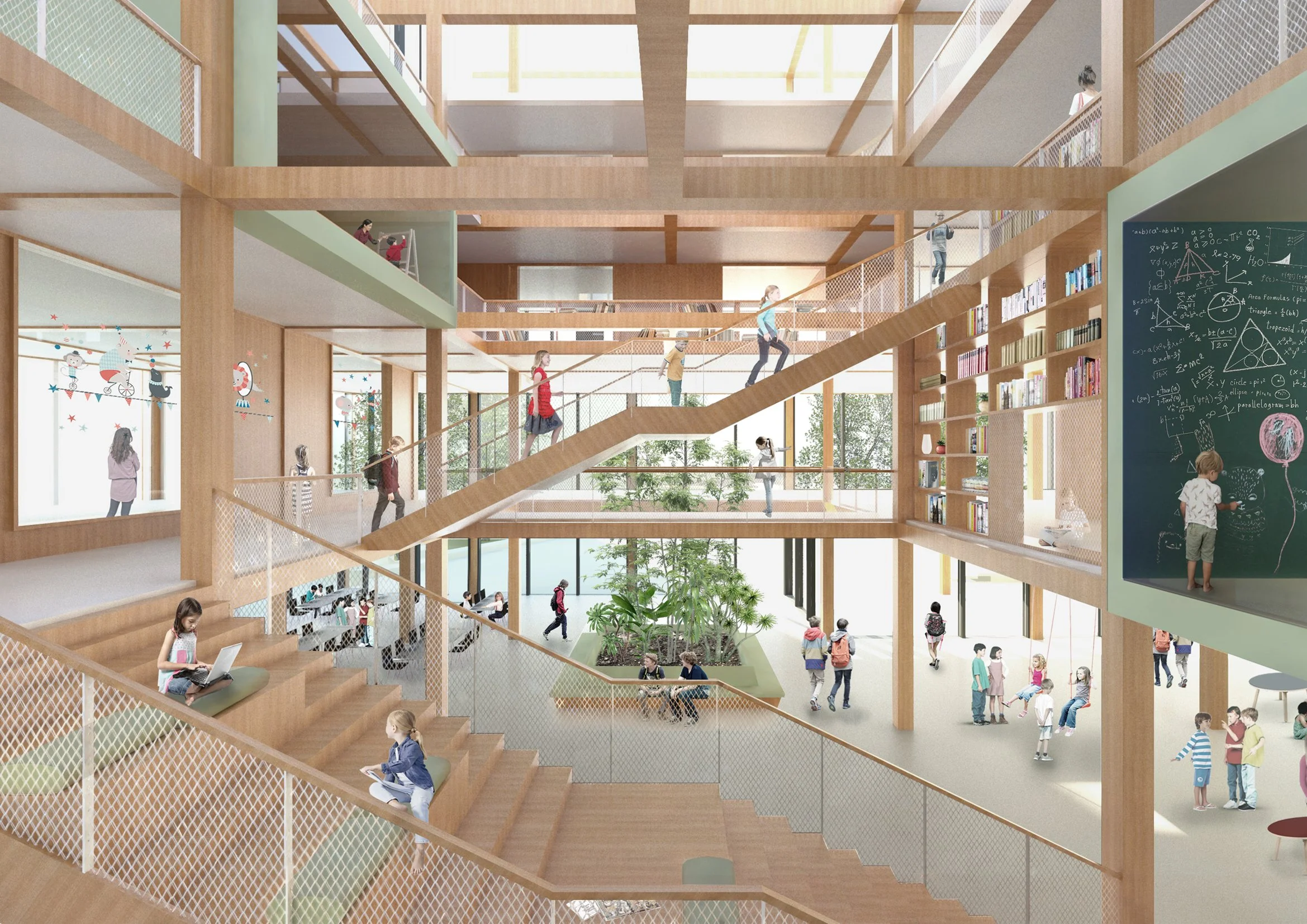
The urban structure is defined by an eight-metre base with volumes above, and the IKC responds with a clear architectural relationship between plinth and upper parts. We propose a rational grid and spaceframe strategy that allows refinement of the massing according to programme, orientation and daylight, while ensuring maximum flexibility, expandability and long-term adaptability. Outdoor spaces at multiple levels extend learning beyond the classroom and embed nature inclusivity into daily use, creating a continuous educational landscape. The building is designed as an “education house” with clear sightlines and a strong sense of safety. The outer shell is interwoven with general and specialised learning spaces, shaping a sheltered central hall that supports meeting, play and informal learning. Functions are clearly compartmentalised and can be accessed independently from outside, enabling shared community use and robust management over time.