De Koog
Purmerend, NL
Location: Purmerend, NL
Year: 2022
Site Footprint: 15.200 m2
FSI Netto: 4.1
Gross Floor Area: 61.767 m2
Total Number of Apartments: 450
Program: residential, working and commercial,
above ground parking
Client: Rochdale & RK Vastgoed
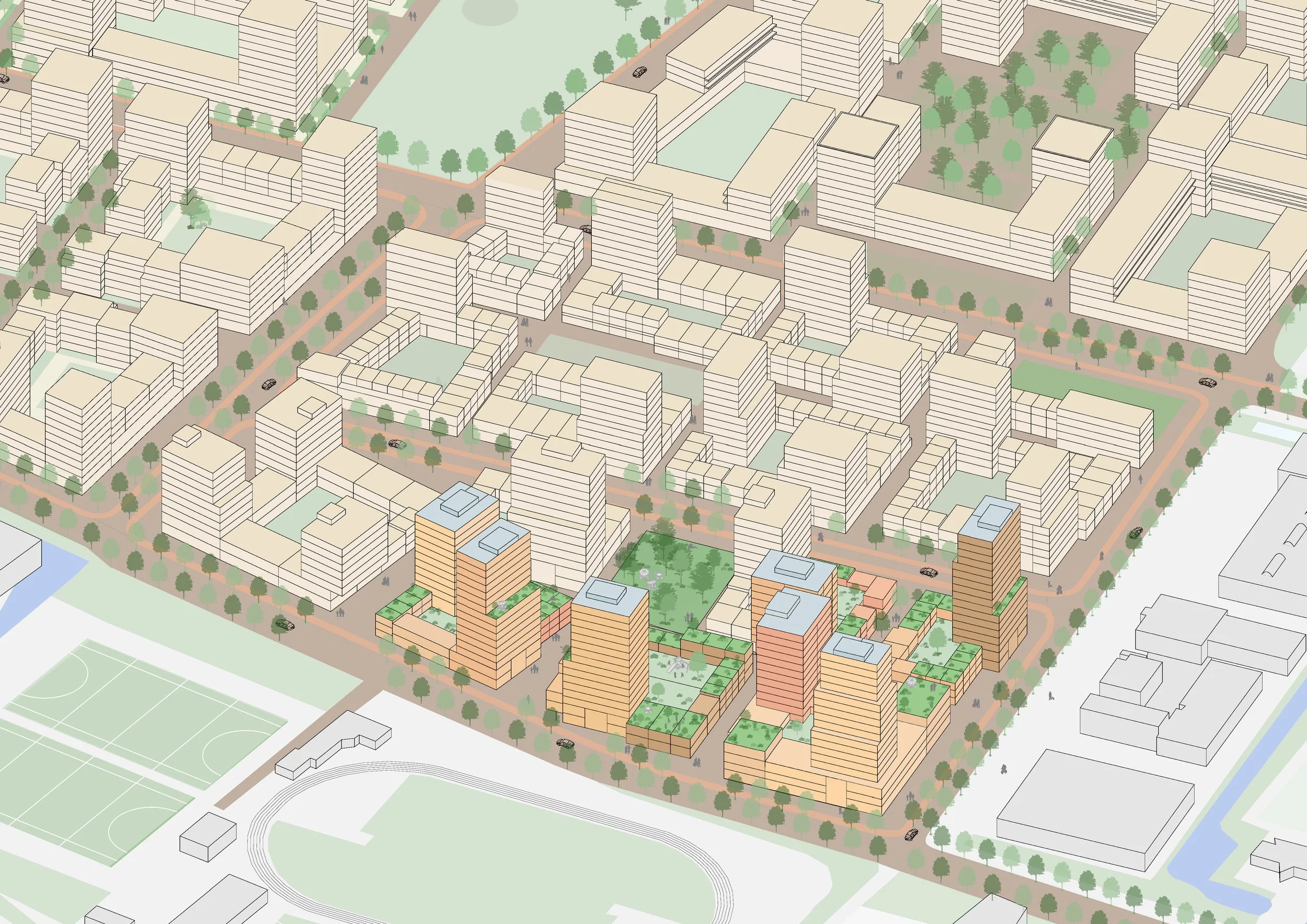
The municipality of Purmerend, a satellite city just outside Amsterdam, has designated the existing De Koog business park for transformation into a lively mixed urban living and working district. Long perceived as a commuter city, Purmerend faces growing demand from residents seeking homes within the city itself, while new companies and educational initiatives look for innovative places to settle. The transformation of De Koog responds to these ambitions by embracing key trends such as sustainability and reuse, the sharing economy, new mobility concepts, functional synergy and urban densification. The goal is to introduce a new urban structure that combines living, working, producing, studying, recreating and shopping at high density, while maintaining a human scale and a strong sense of place. Our vision builds on preserving De Koog’s original industrial character, defined by robust buildings and large-span halls.
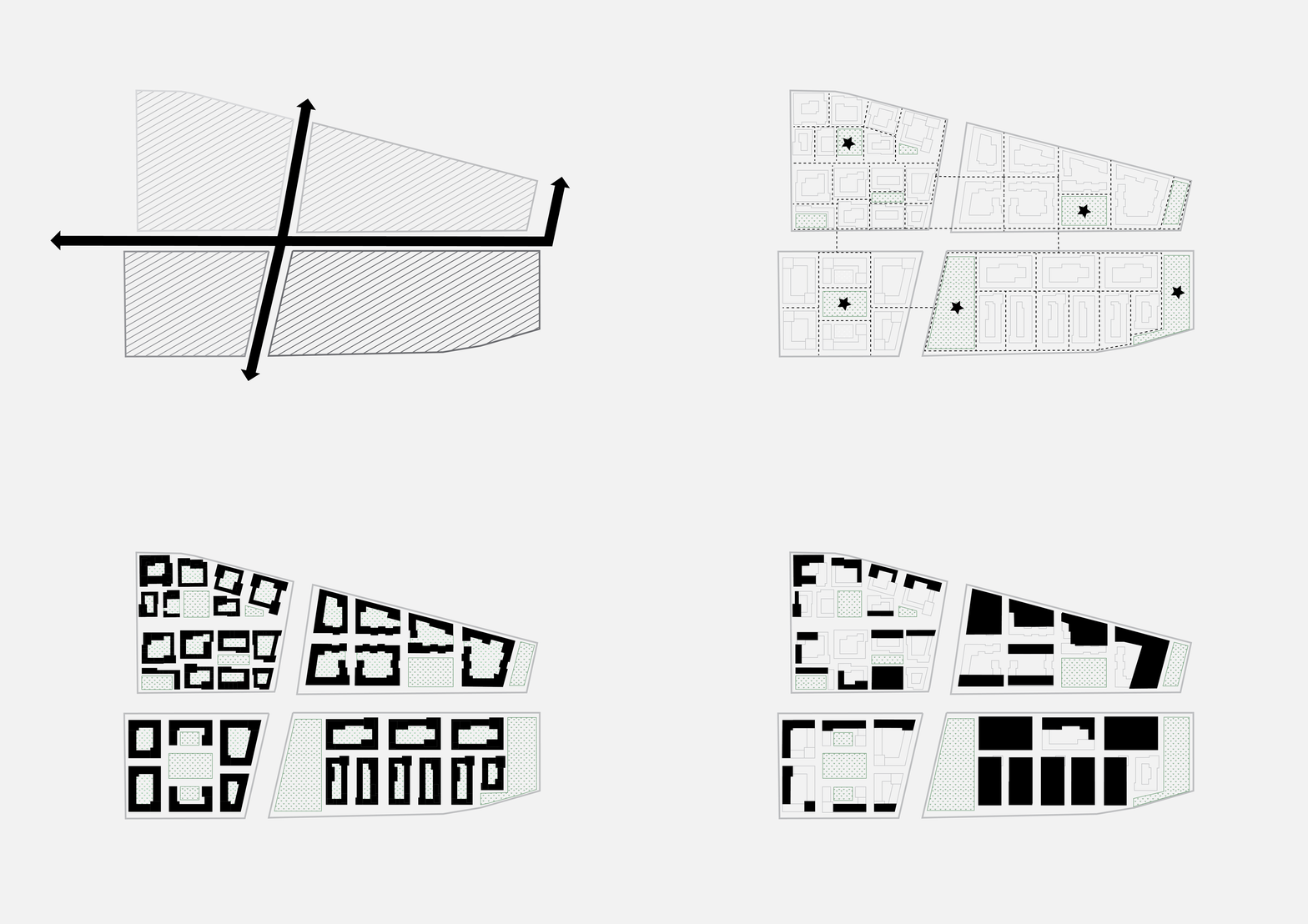
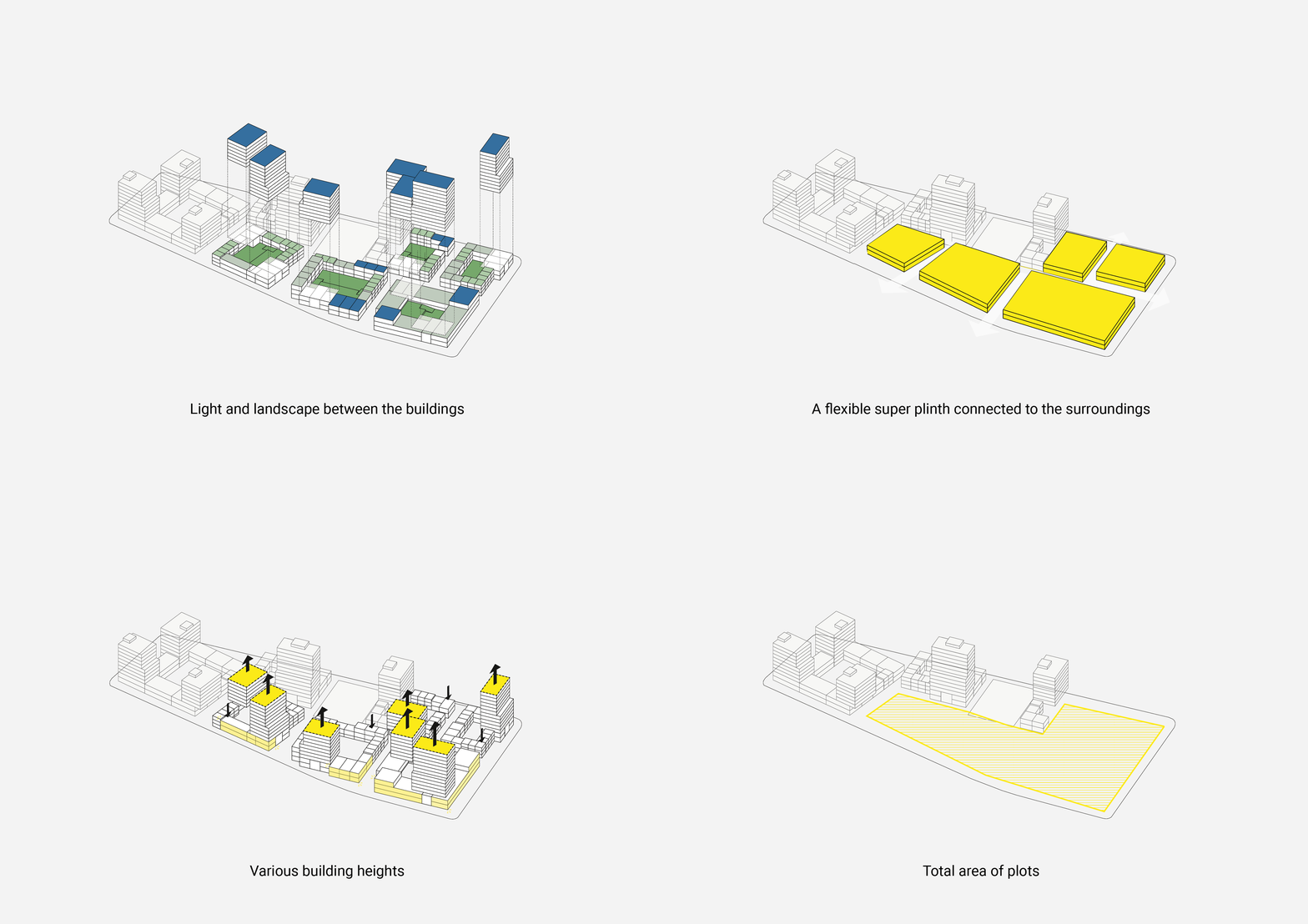
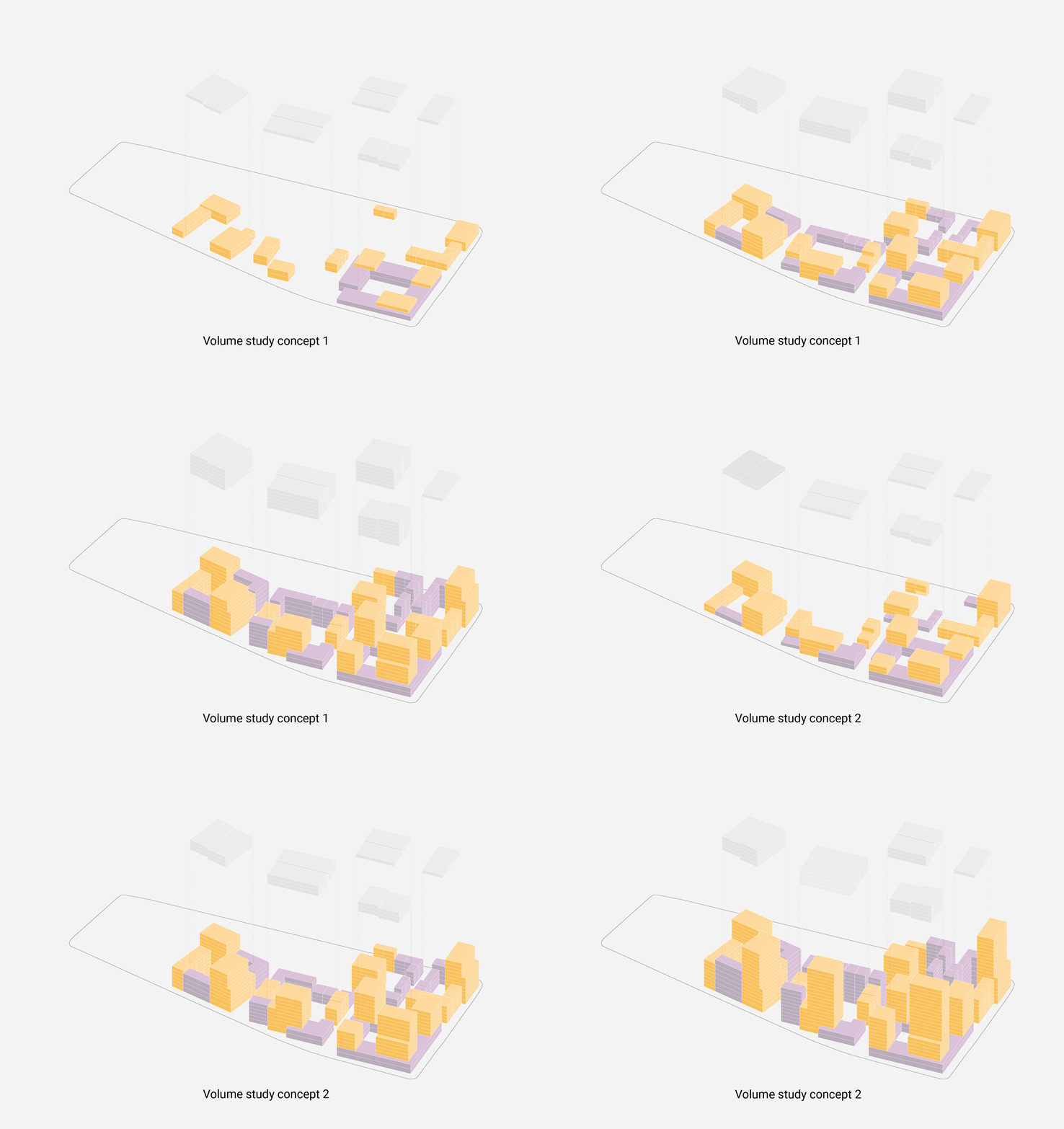
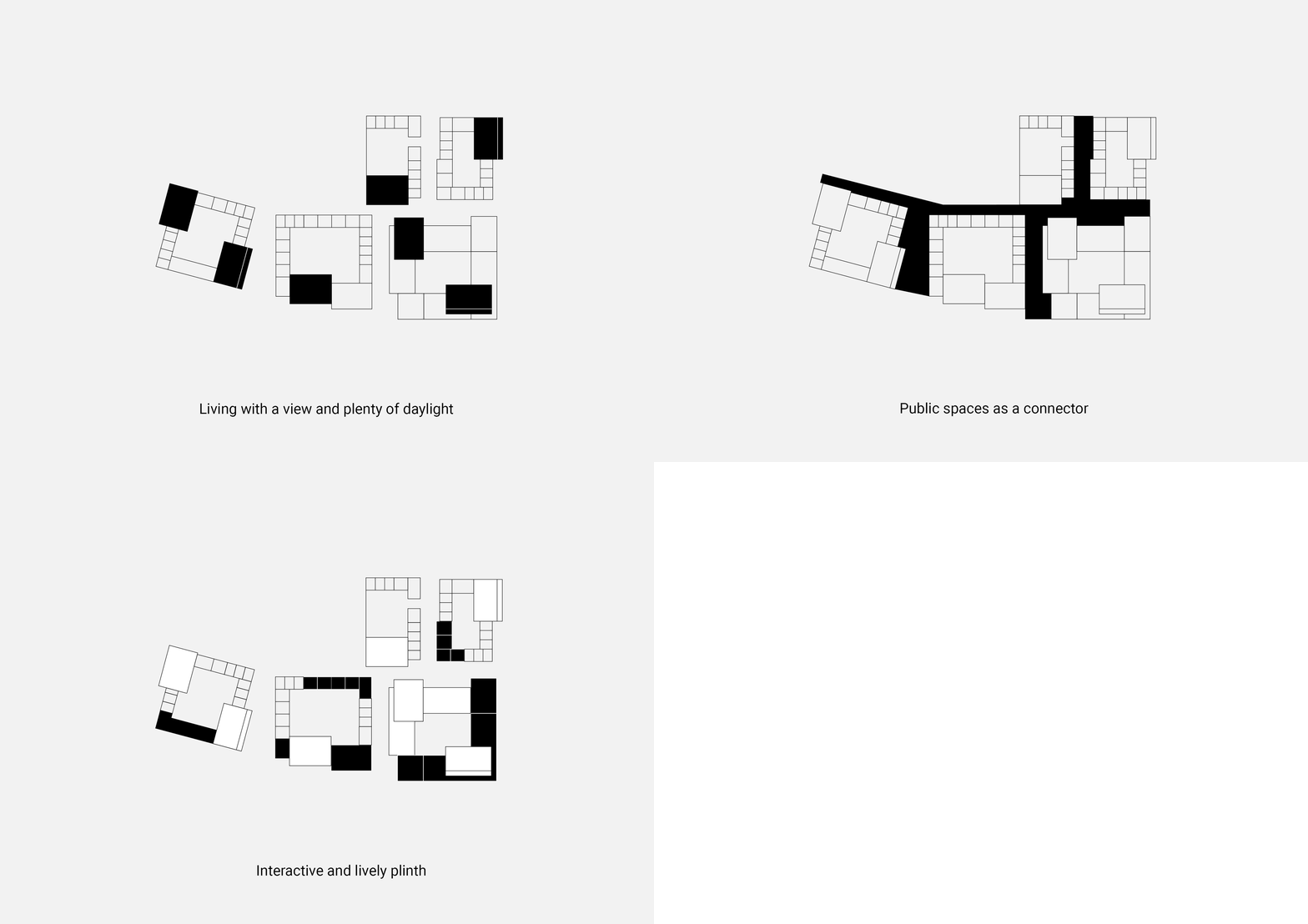
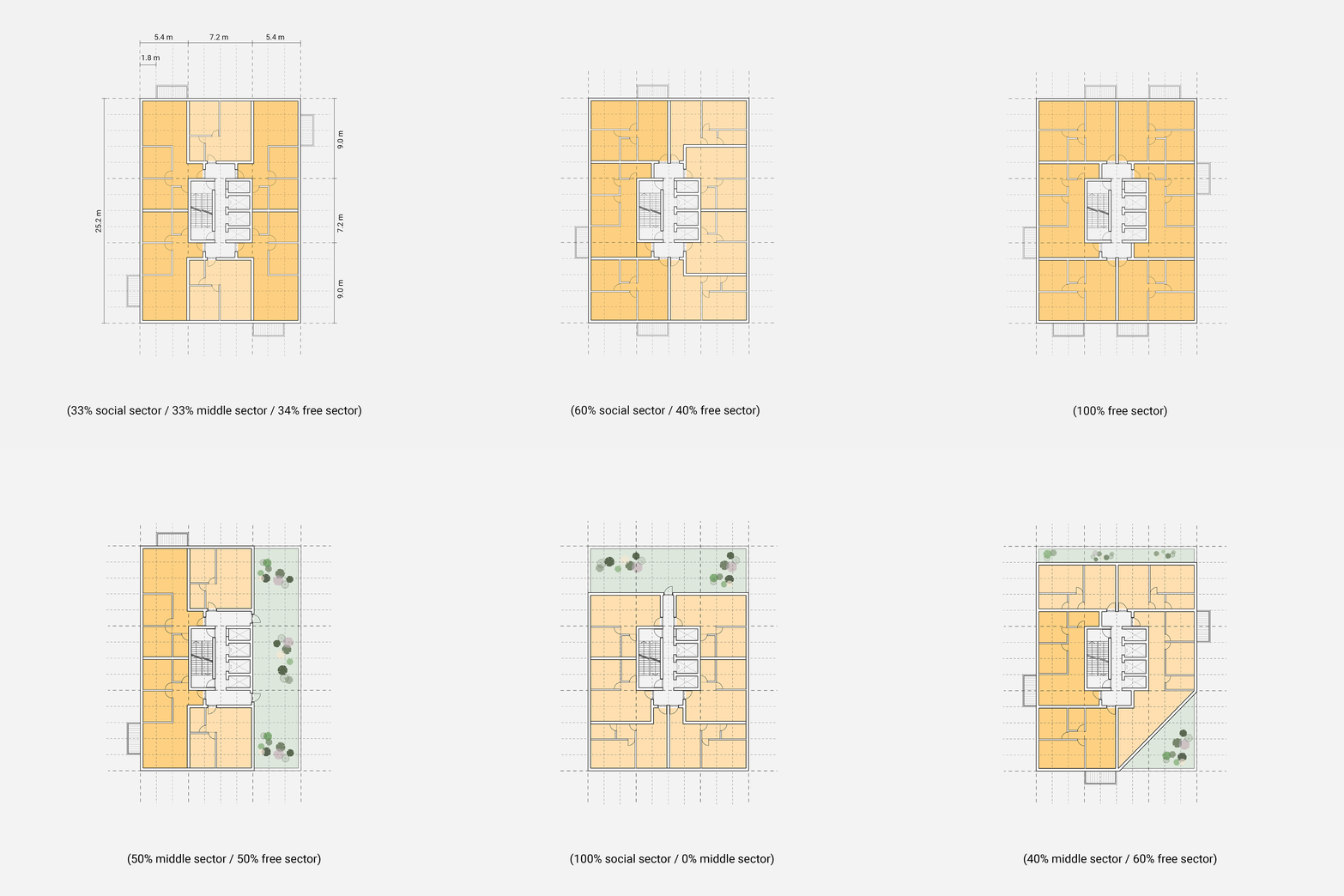
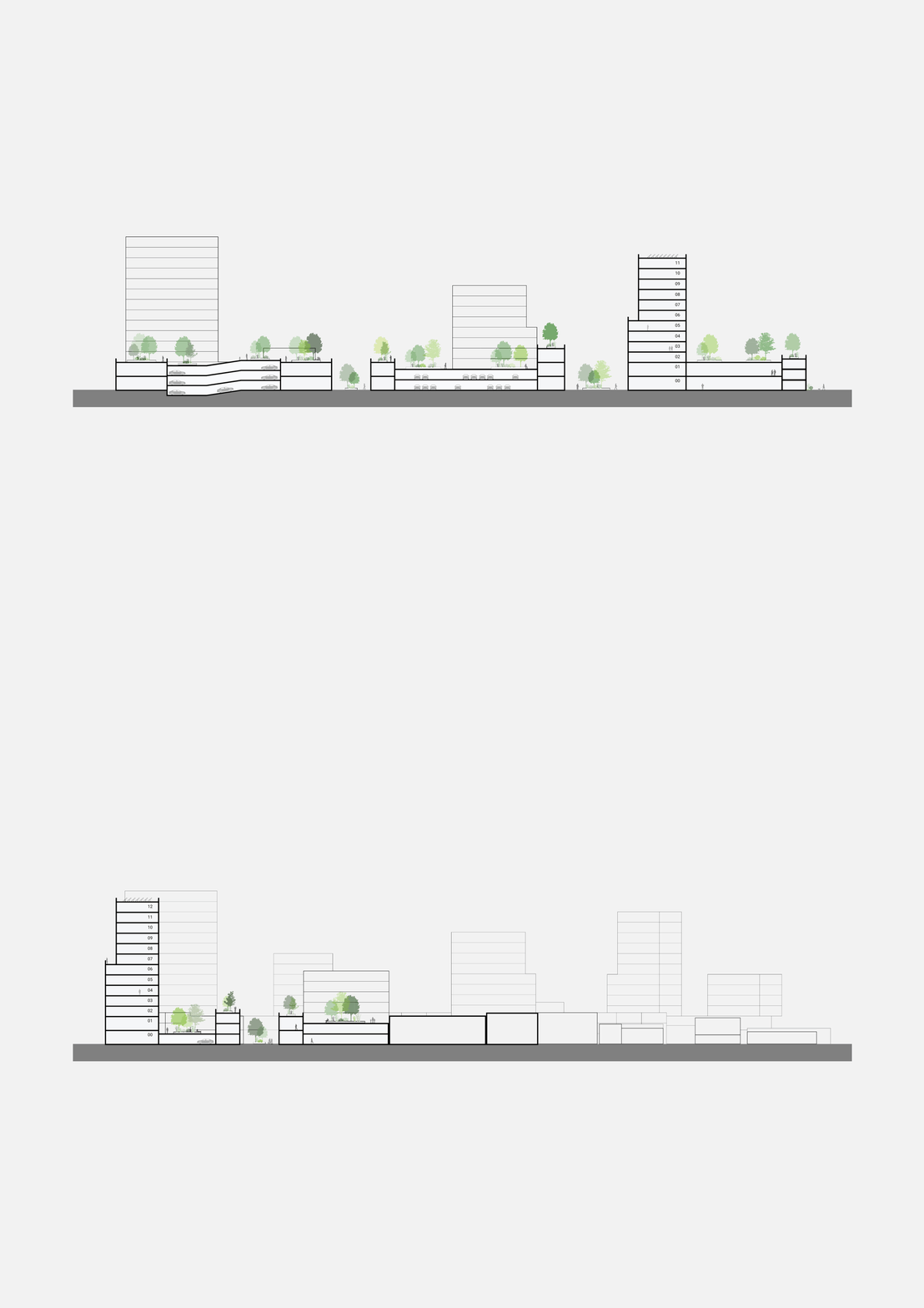
In order to acheive this, the area is organised into four quadrants with a fine-grained urban structure, each with its own multifunctional identity, allowing diverse and resilient neighbourhoods to emerge. Flexible super-plinths activate the first two building levels and connect the district to its surroundings, while housing is positioned centrally and offices toward the edges to avoid functional conflicts. Height accents create a balanced ensemble of buildings. Collective roof landscapes introduce light, greenery and outdoor spaces for play and meeting, while supporting water retention, biodiversity and climate adaptation. Mobility is rethought through phased, flexible parking solutions, shared cars and widespread use of walking and e-bikes, with vehicles largely removed from inner areas. Fewer cars mean fewer emissions, improved environmental quality and a more pleasant urban living environment for Purmerend’s future.