Location: Klimopweg 2, Amsterdam, NL
Design: 2020
Completion: 2024
Site Footprint: 2.377 m2
FSI Netto: 5.5
Gross Floor Area: 15.500 m2 (incl. underground parking)
Total Number of Apartments: 157
ranging in sizes from 30 m2, 50 m2 and 70-90 m2
Program: Residential, Commercial, Short stay hotel
Client: BLVG Ontwikkeling / GARBE Institutional Capital
Sustainability: Cauberg Huygen
Structural Engineer: Van Rossum
Installations: Huygen
Building Contractor: Kondor Wessels Amsterdam
Landscape: Hollandsgroen & Van der Tol
Renderings: VividVision
Photography: Marcel van der Burg
Urban Ivy
Amsterdam, NL
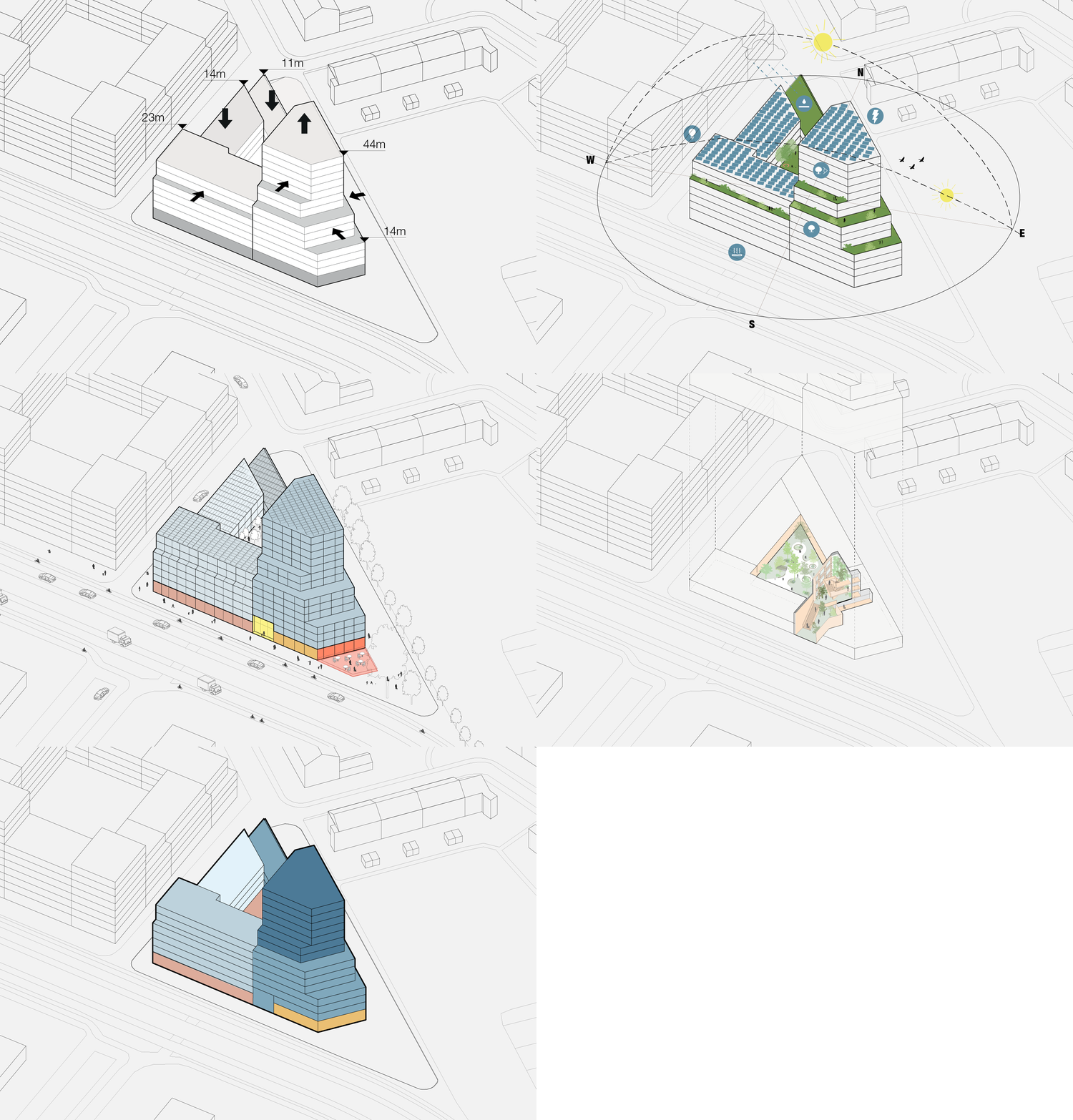
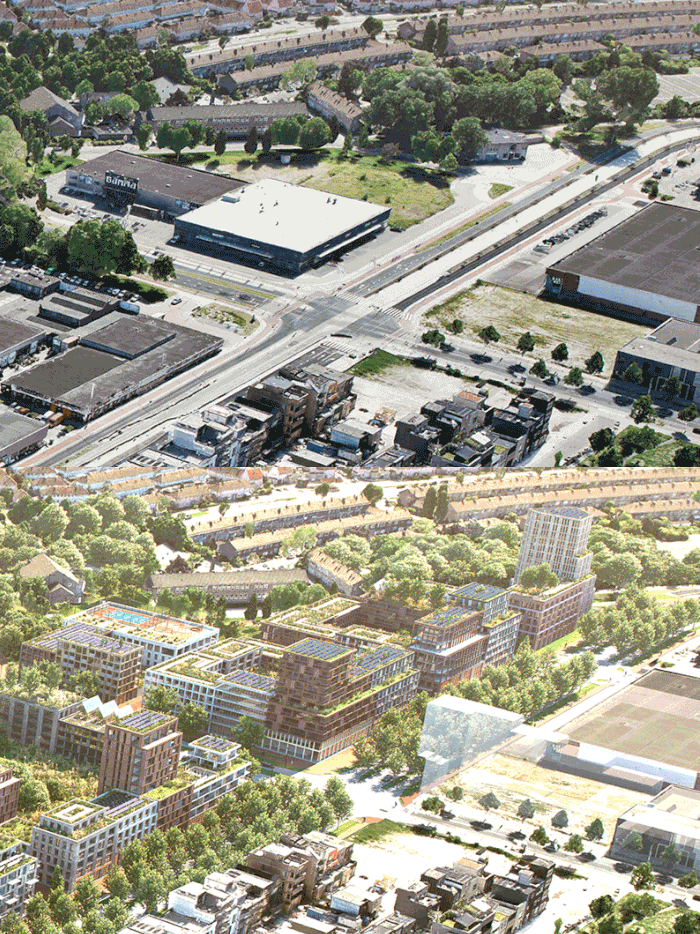
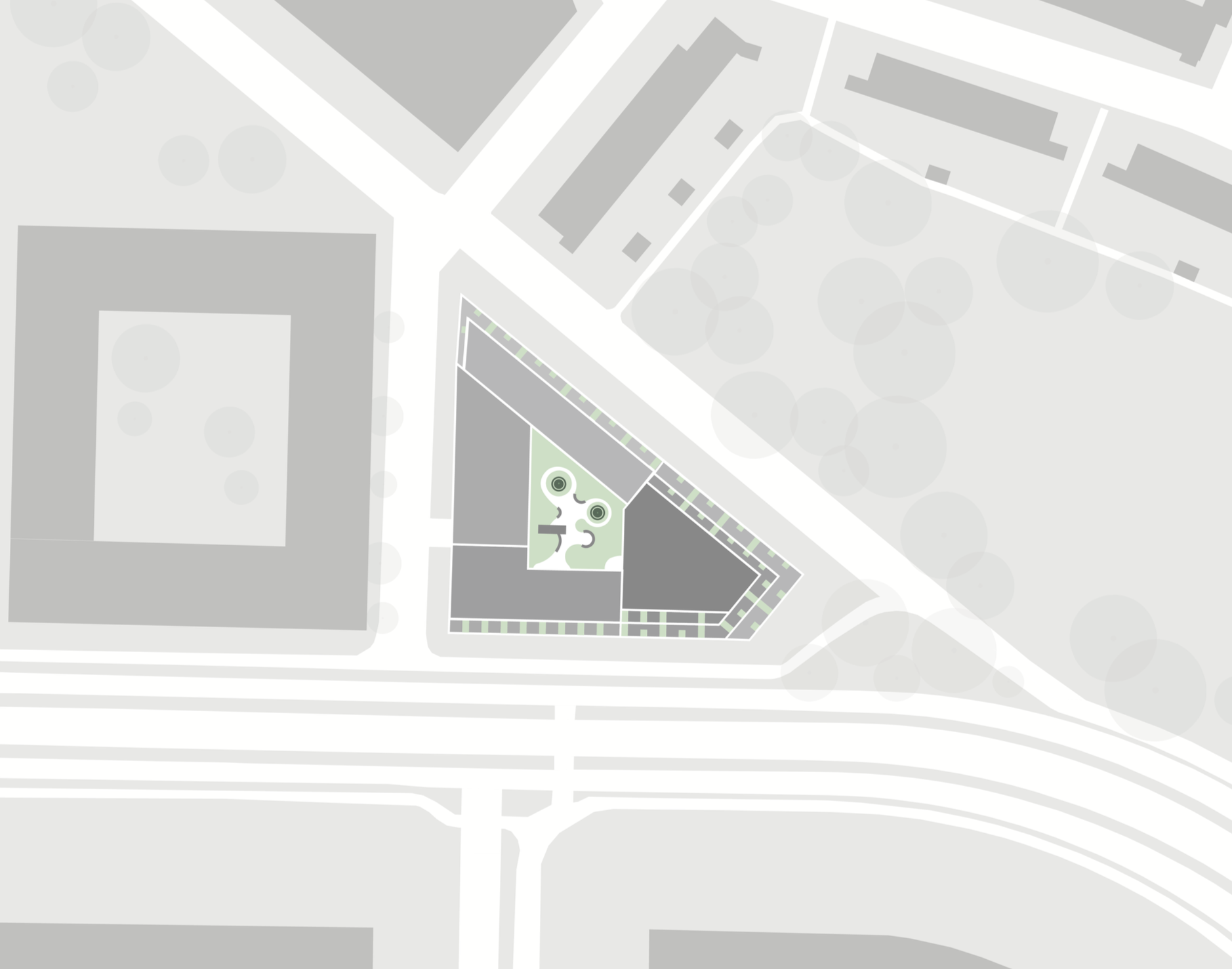
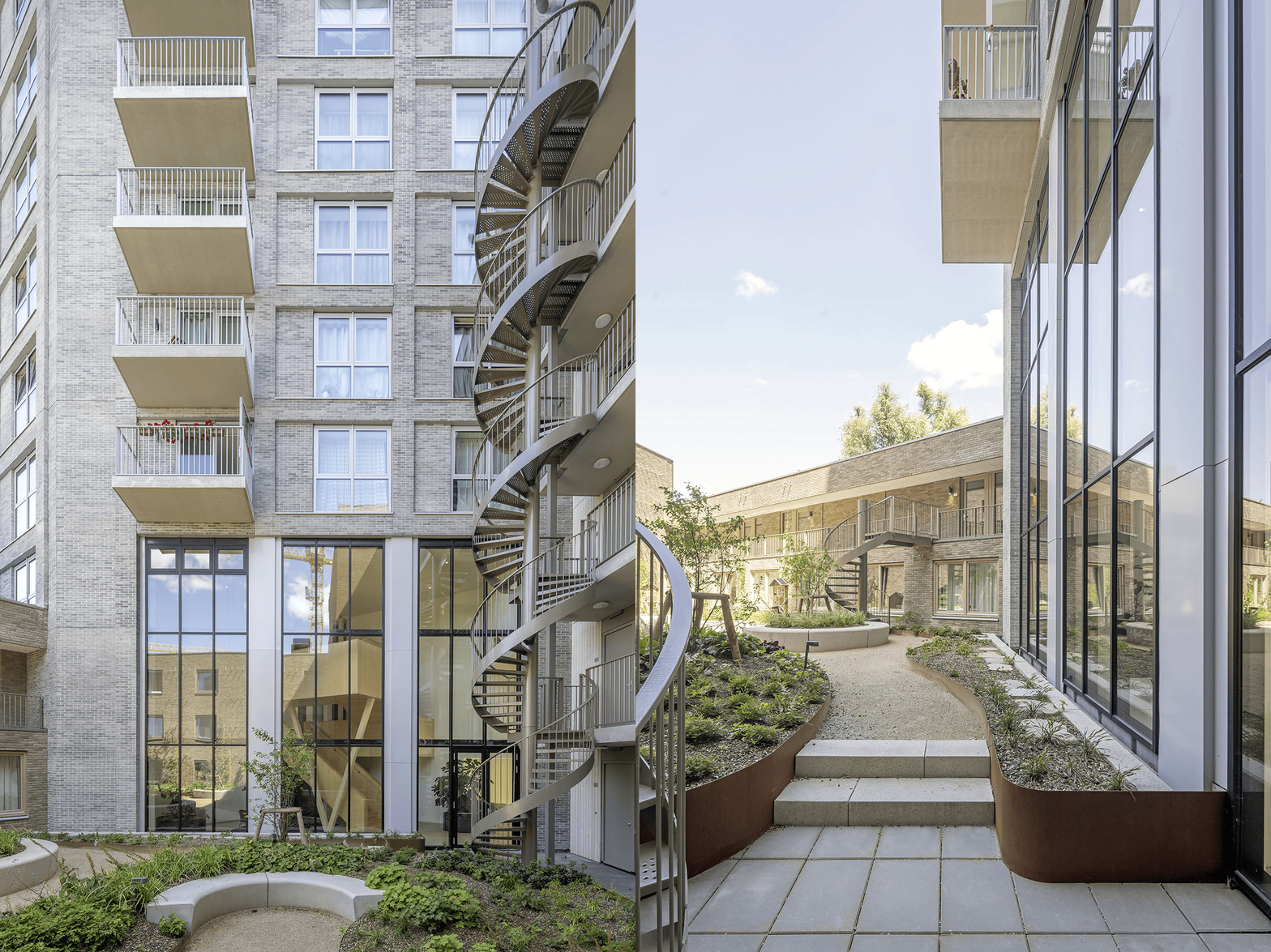
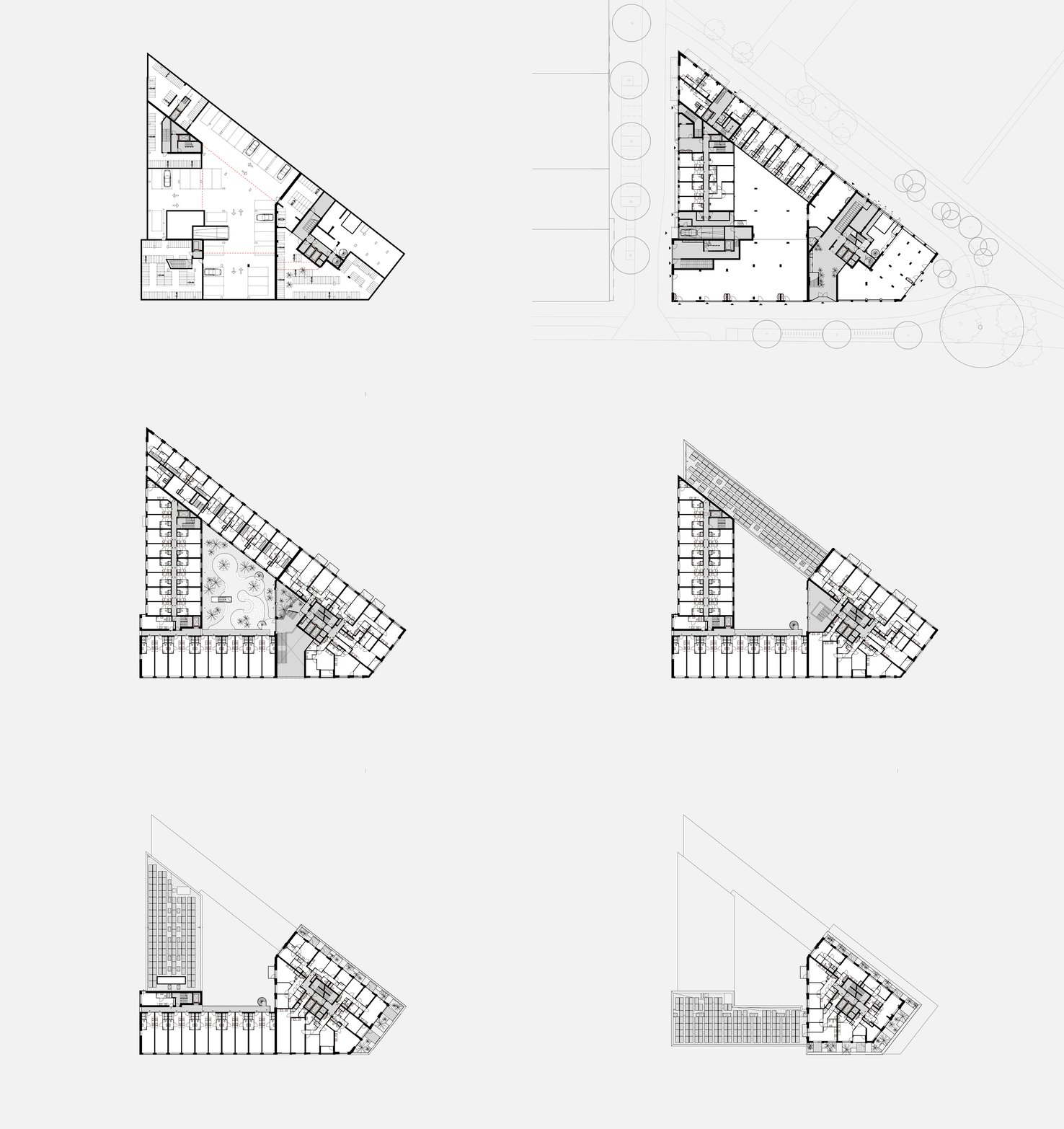
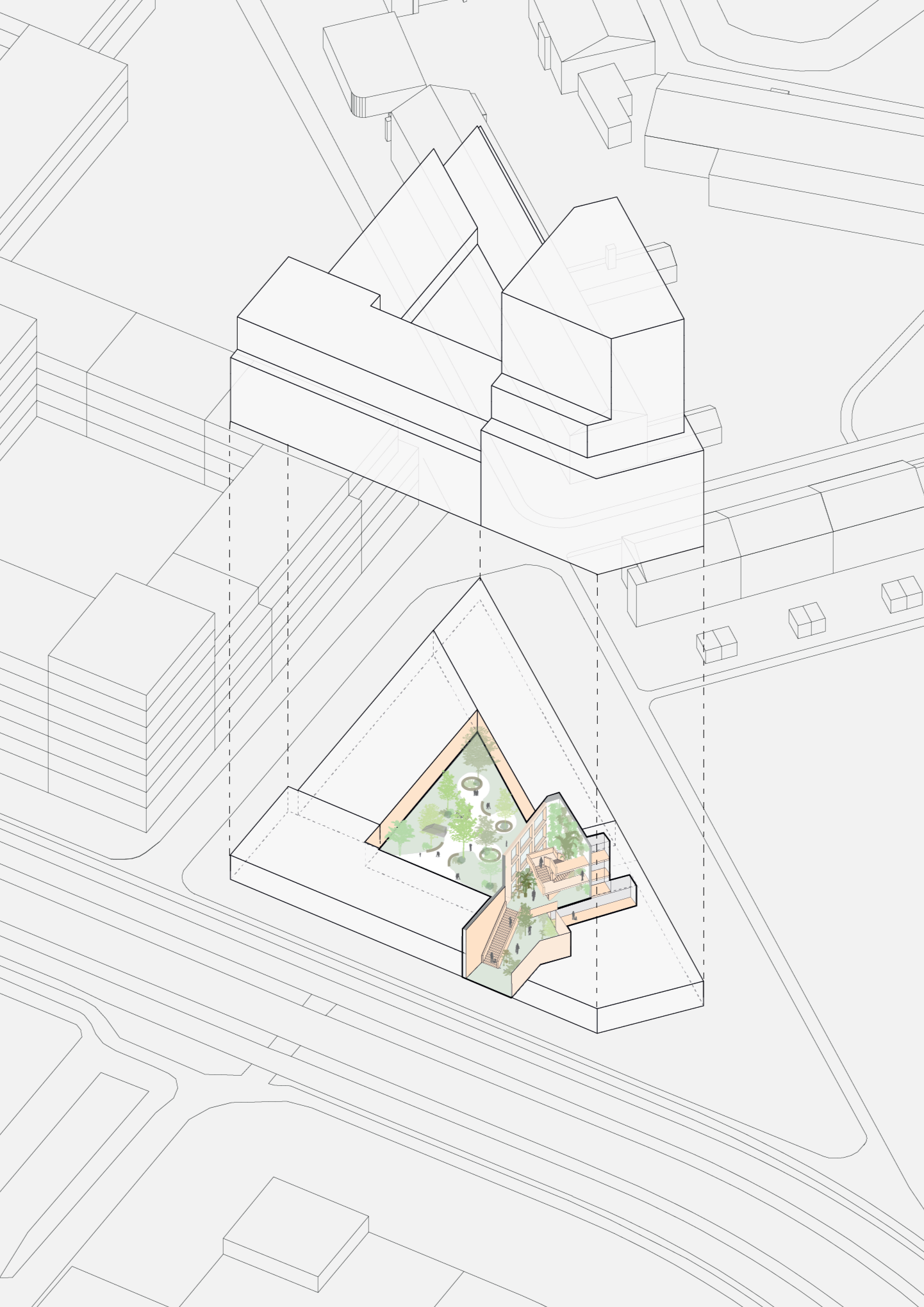
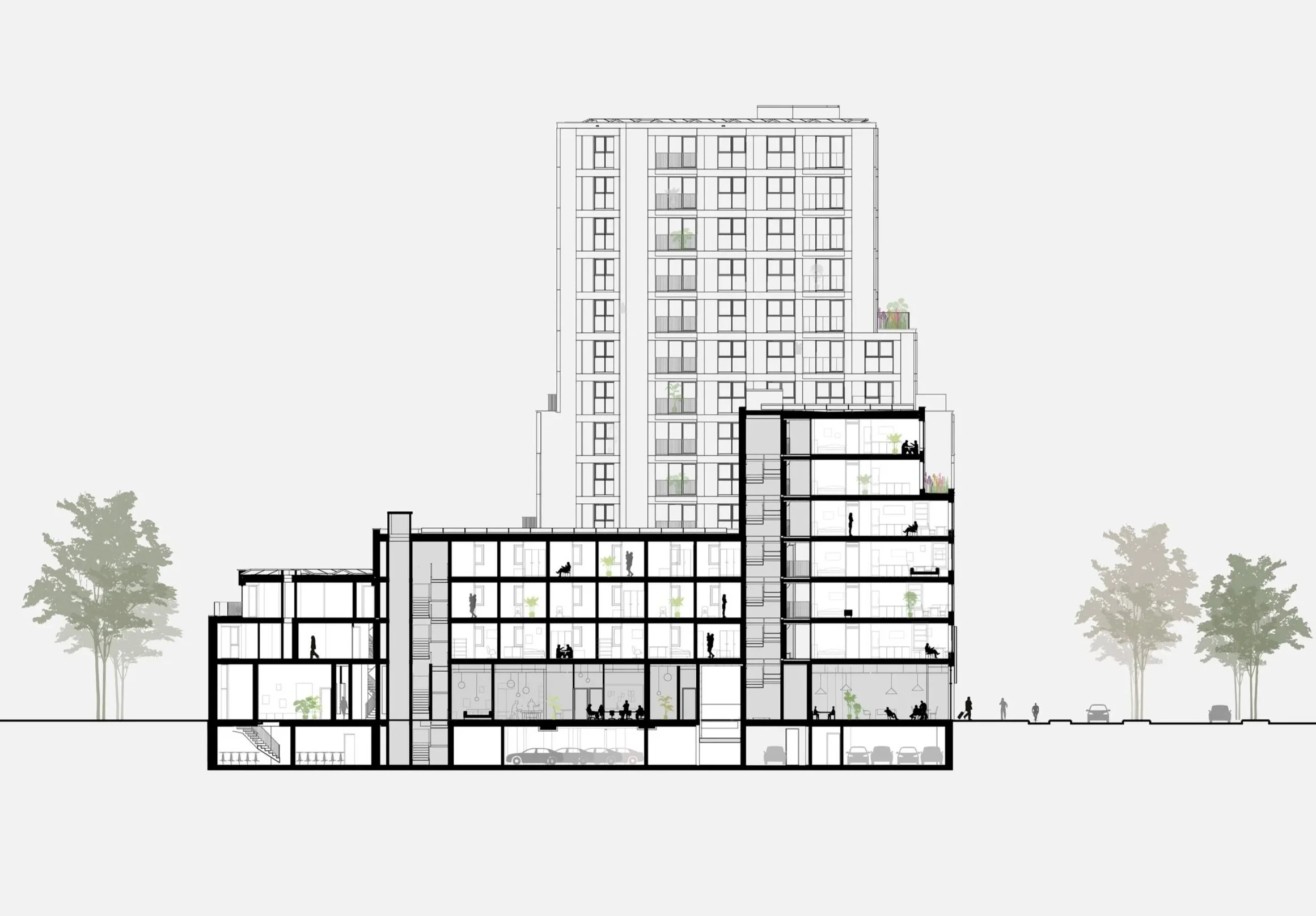
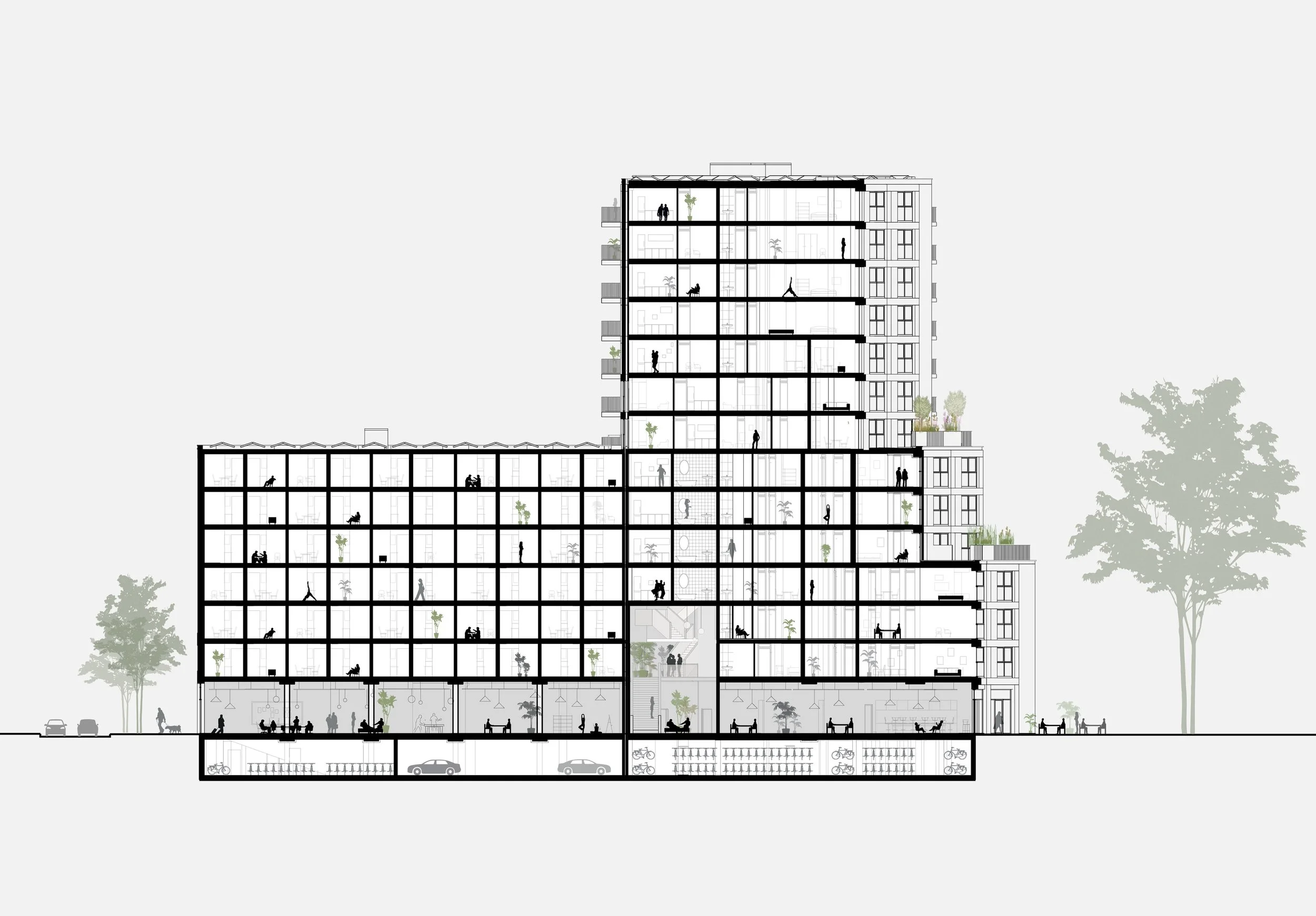
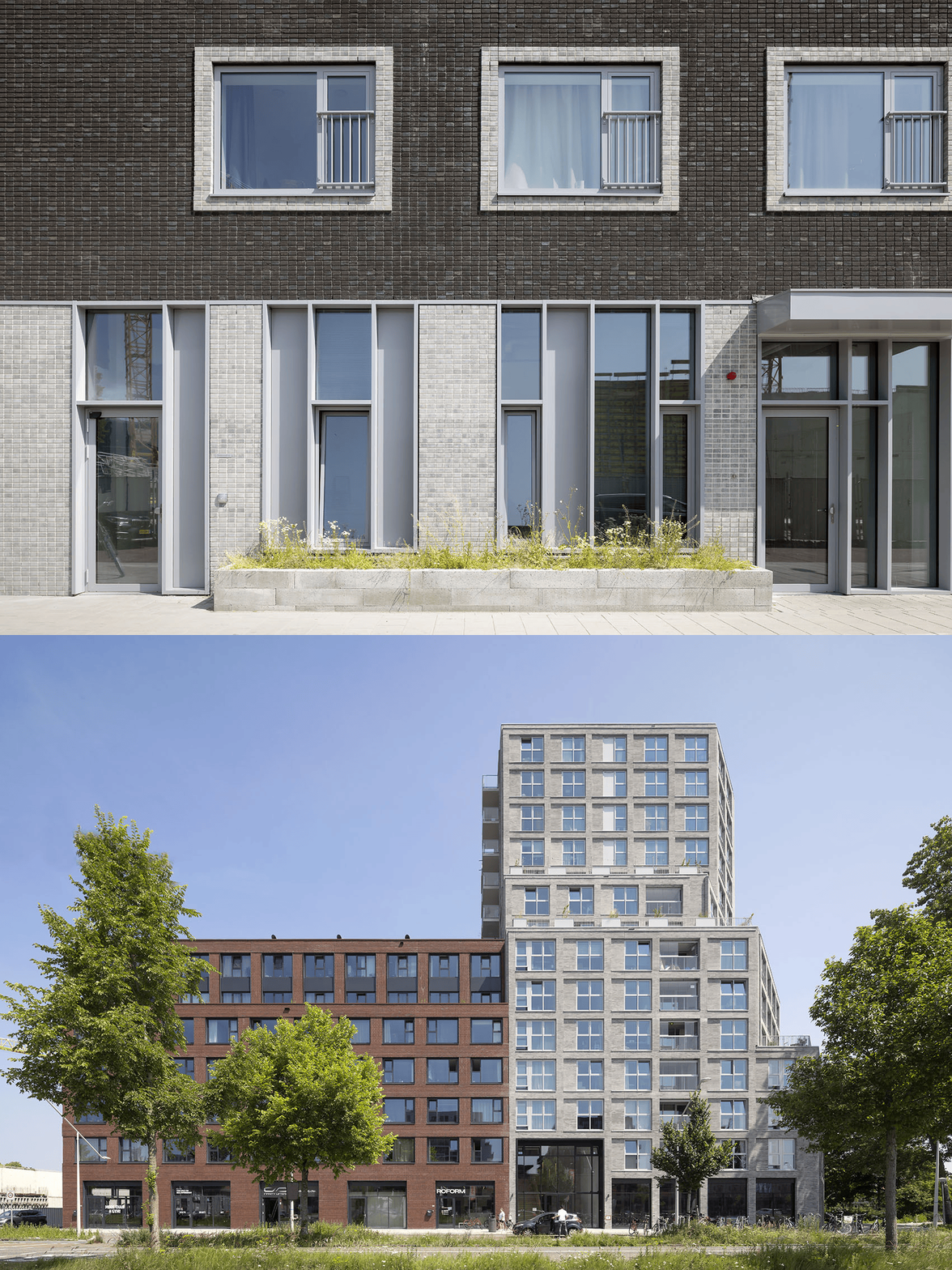
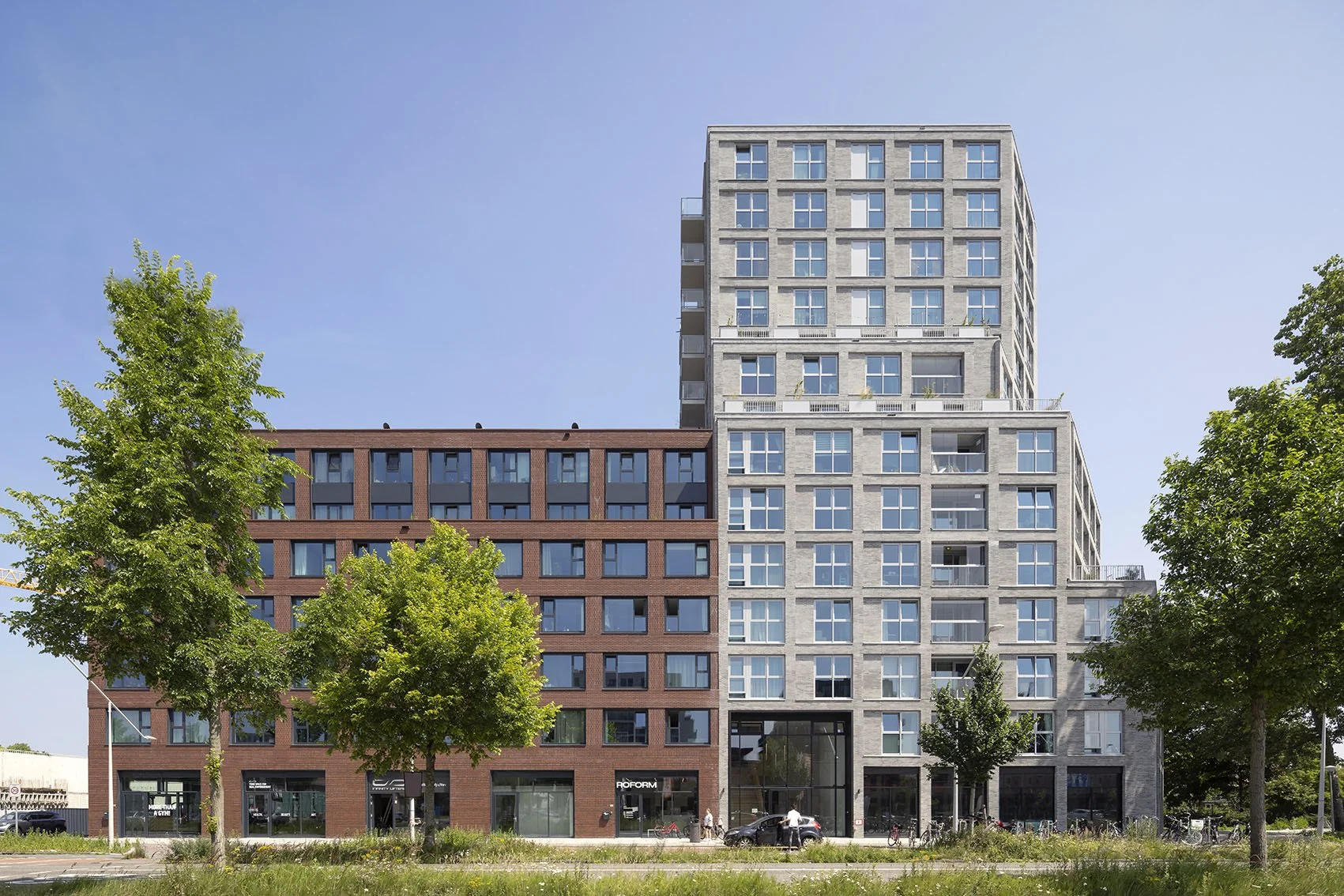
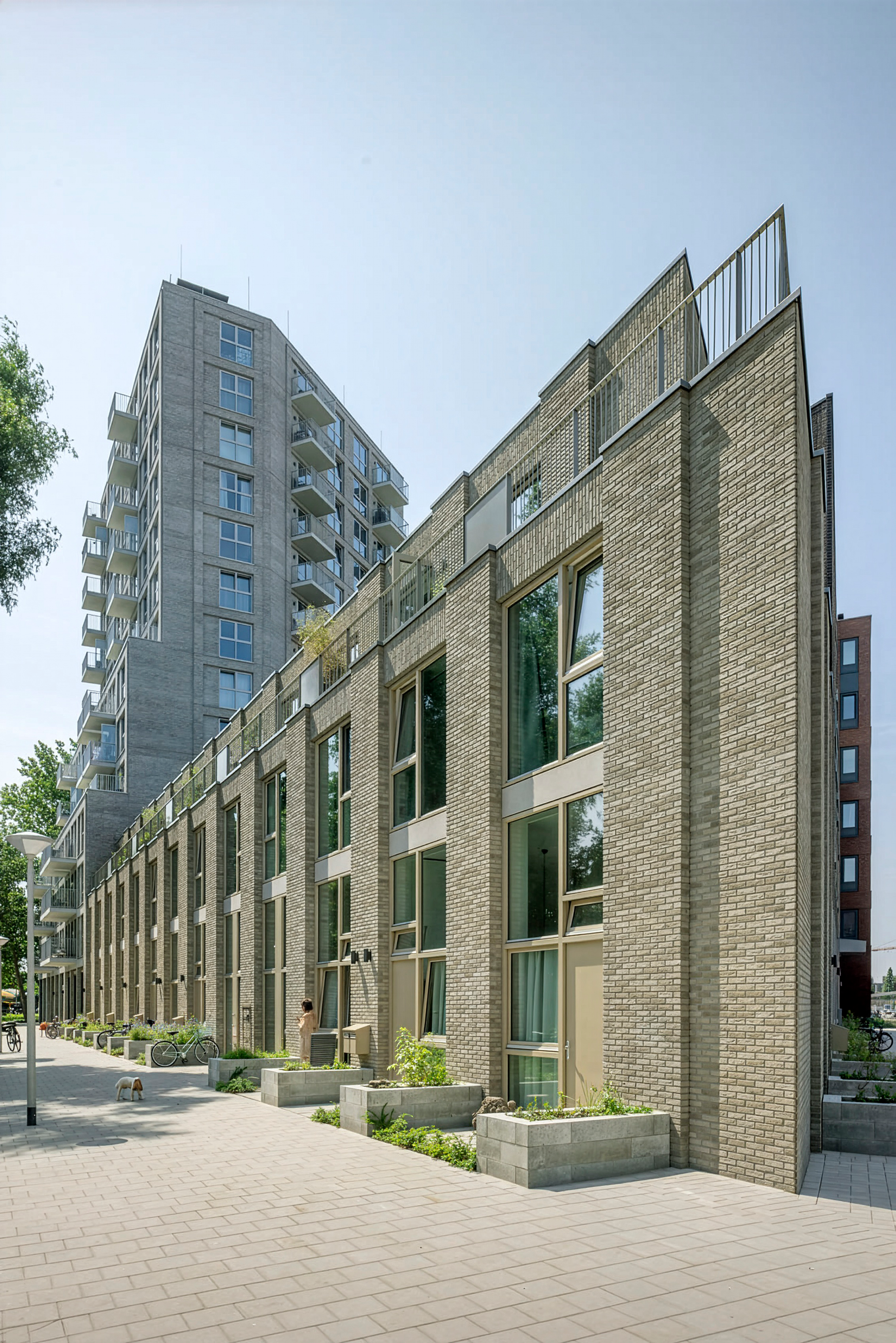
The Klaprozenbuurt project transforms an intensively used business park into a vibrant mixed urban neighbourhood with space for living, working and community facilities. Klaprozenweg evolves from a purely functional arterial road into an attractive city street, with shops and workplaces in active plinths that support a pleasant and liveable residential climate. The first phase, Plot A1, home to Urban Ivy, is composed of a series of differentiated buildings that introduce human scale within a transformative high-density setting while allowing for future adaptability and disassembly. The block is conceived as an urban ensemble with varied heights that respond sensitively to the surrounding context Each building has its own width, entrance and vertical circulation, all directly connected to a collective green courtyard that forms the social heart of the block. This fine-grained structure strengthens orientation, identity and everyday interaction among residents.
The design embodies a contemporary Amsterdam living experience, guided by principles of connection, diversity, sustainability, inclusivity, health and affordability. Row houses, gallery and corridor dwellings, and a residential tower are woven together into one coherent composition, balancing density with liveability. Setbacks and roof terraces provide outdoor space, improve wind comfort and maximise daylight in the public realm. The roofs are multifunctional, hosting gardens, collecting rainwater and generating energy. At street level, active frontages and shared spaces encourage social exchange. A continuous green strategy links street, courtyard and rooftop into one landscape, improving the microclimate, reducing heat stress and supporting biodiversity. Urban Ivy thus becomes a prototype for sustainable urban living in Amsterdam North: compact, sustainable, adaptable and community-driven.